
What the NFL Knows About Concussion That Other Sports Don't
This is part of our series on the science and technology shaping elite athlete performance in 2026. As ever, this is not a manual written from the touchline. It is a map of where the evidence is strong, where it is thin, and what a performance department should ask before drawing lessons from it.
No sports organization has invested more in understanding head injury than the National Football League. Driven by litigation, public pressure and genuine concern, the NFL has built the most extensive head-impact dataset in professional sport, and over the past several years it has translated that data into measurable reductions in diagnosed concussion. This article looks at what the NFL has actually learned, what its numbers do and do not prove, and what other sports, many with far smaller budgets, are borrowing from it.
The scale of the data advantage
The NFL’s central asset is the sheer volume and granularity of its head-impact data. Through its Digital Athlete platform, sensor data from equipment such as mouthguards, and extensive game-video analysis, the league has been able to study head impacts at a level of detail no other sport has matched. This has allowed it to move from general concern about head injury to specific, position-level understanding of how and when concussions occur.
That specificity is the real advance. The data has identified, for example, that different playing positions experience characteristically different impact patterns: a quarterback hit while protecting the ball takes different impacts from a lineman absorbing repeated frontal contact. Understanding those position-specific patterns is what made targeted interventions possible, from position-specific helmet designs to modified techniques. Most sports cannot say which of their players get hit how, which is why they cannot target anything.
The results are real and measurable
The outcomes are notable, and the NFL reports them publicly. The league announced that the 2024 season produced a historic low in concussions: 182 in total across all preseason and regular-season practices and games, the fewest since tracking began in 2015, a 17% reduction on 2023 and 12% below the 2021 to 2023 average (NFL Football Operations, 2025). The 2024 preseason recorded 44 concussions, also the fewest on record (NFL Football Operations, 2024).
Several specific interventions contributed. The league reported the largest single-season improvement in the safety of helmets worn on the field since 2021. Guardian Caps, padded helmet covers, were associated with a nearly 50% reduction in concussions among players wearing them in mandated preseason sessions versus the pre-mandate average (NFL Football Operations, 2024). And the Dynamic Kickoff rule change, which slowed player speeds on one of the game’s most dangerous plays, was associated with a 43% lower concussion rate on kickoffs against the 2021 to 2023 average, while returns actually increased by 57% (NFL Football Operations, 2025). That last combination matters: the rule reduced risk without gutting the play, which is the hardest thing to achieve in safety legislation.
What the numbers do and do not prove
It is worth being precise about the strength of these claims, because the NFL is both the funder and the reporter of much of this data, a conflict it discloses, but one that warrants the same skepticism this series applies elsewhere.
What the data reasonably establishes is an association: diagnosed concussions declined over a period in which specific interventions were introduced. What is harder to establish cleanly is the causal contribution of any single intervention, because they arrived together, alongside broader culture-of-safety efforts, rule enforcement and changes in how concussions are identified. The league attributes the reduction to a bundle of factors rather than a single cause, which is the honest framing, but it also means isolating how much each element contributed is genuinely difficult. The reductions are real; the attribution of specific credit is less certain than a headline figure implies.
There is a subtler issue in the counting itself, and the league’s own disclosure is the best guide to it. The NFL notes that its physicians evaluate three to four players for every concussion ultimately diagnosed (NFL Football Operations, 2025). That is a sign of a serious screening culture, and it is to the league’s credit. But it also means the headline number is the output of a detection system, not a direct measurement of brain trauma, and a count can move because the injury changed, because the threshold changed, or because the evaluation practice changed. A sport borrowing this approach should measure its own exposure as well as its own diagnoses.
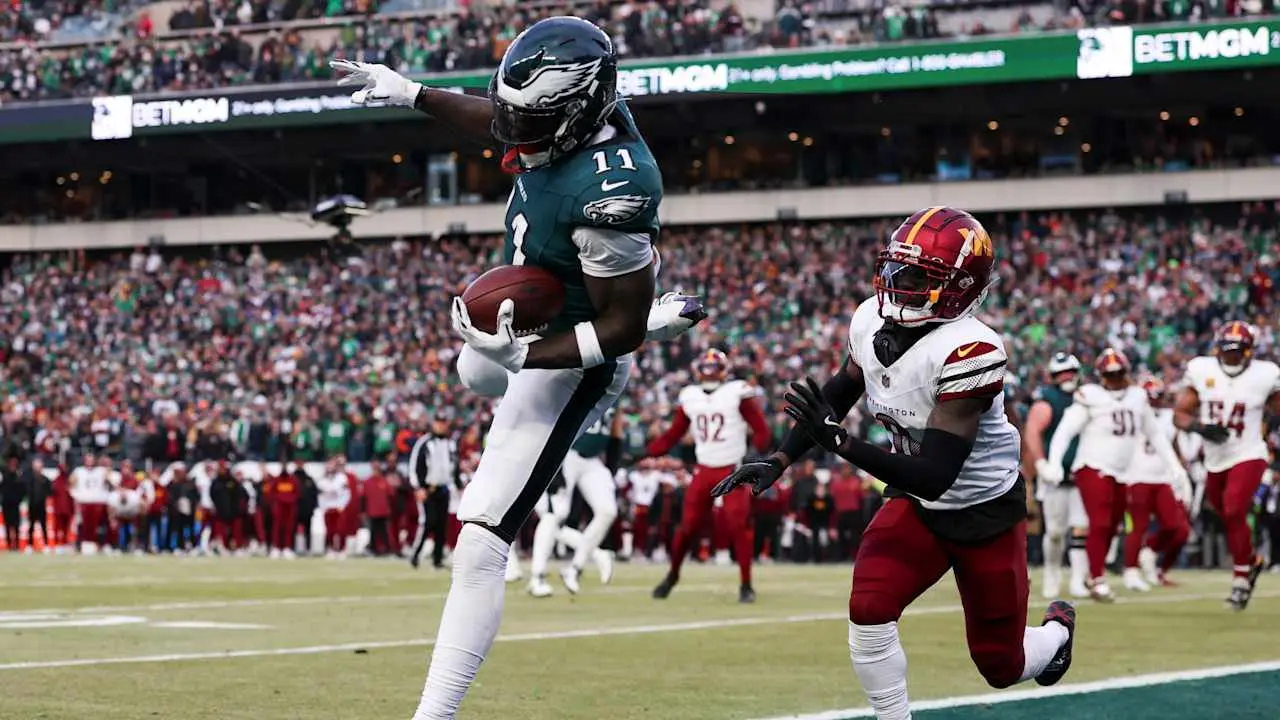
Image Source: NFL
The question the season-by-season data cannot answer
Then there is the deeper, longer-horizon problem, and it is the one that most complicates a celebratory reading of the numbers. Reducing diagnosed concussions is valuable. But the leading neuropathological work locates the risk of chronic traumatic encephalopathy in cumulative exposure to repetitive head impacts, including the sub-concussive ones that never produce a diagnosis, rather than in diagnosed concussions alone. A review of the field reported more than 600 published CTE cases, of which 97% had confirmed exposure to repetitive head impacts, primarily through contact and collision sport (McKee et al., 2023).
The implication is uncomfortable and worth stating plainly. A sport can reduce its concussion count meaningfully and still leave the exposure that drives the long-term risk largely intact, because the two are not the same quantity. Fewer diagnoses is a genuine gain in acute player welfare. It is not, by itself, evidence that the chronic risk has fallen in proportion, and no season-by-season injury report can settle that question.
What other sports are borrowing
The NFL’s most valuable export is not any single piece of equipment. It is the methodology: systematically collect head-impact data, use it to identify specific risk scenarios, then target rules, equipment and technique at those scenarios and monitor what happens. That approach is now visible across other contact sports.
World Rugby’s head injury assessment protocol, the structured sideline process for evaluating and removing potentially concussed players, draws on the same logic of standardized assessment and cautious removal. Football has moved toward heading restrictions in youth play and concussion-substitute protocols. Cricket has introduced concussion substitutes. The common inheritance is the principle that head injury should be systematically measured, conservatively managed, and addressed through targeted change rather than general caution.
The important caveat for a smaller sport is that the NFL’s specific solutions were designed for the NFL’s specific impacts. A helmet intervention or a rule change tuned to American football’s collision patterns does not transfer unaltered to rugby, football or cricket, which have different mechanisms of head injury. What transfers is the method, measure, target, intervene, monitor. What does not transfer is the fix.
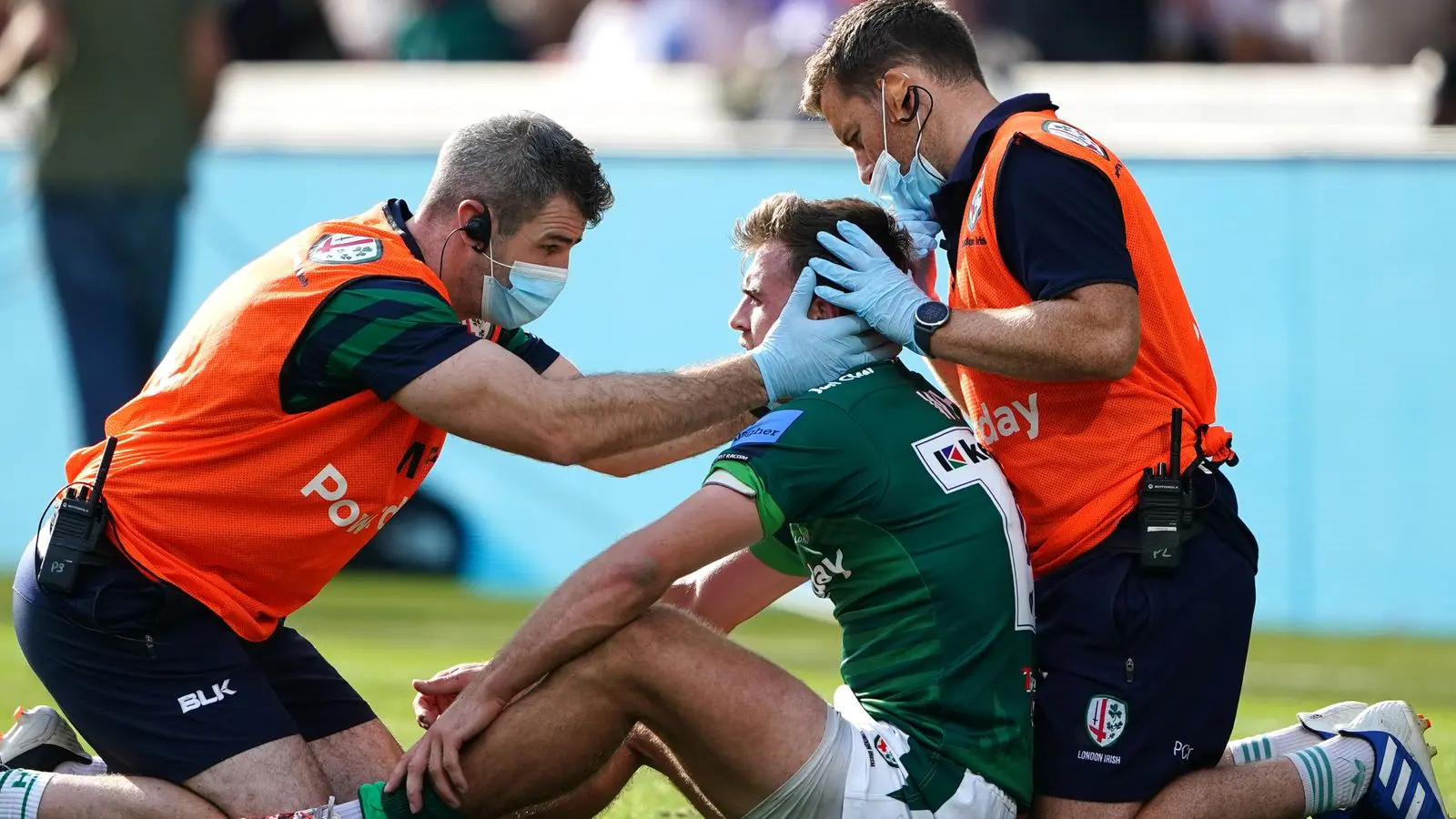
Image Source: SkySports
The position a department can hold
The NFL’s head-injury work is the most advanced in sport, and it offers genuine lessons, provided they are taken at the right level of generality.
The position the evidence supports is this. Treat the NFL’s concussion reductions as real and meaningful, while recognizing that the causal contribution of any single intervention is hard to isolate when many arrive together. Read the counts as the output of a detection system, and measure exposure alongside diagnoses. Hold the longer-horizon question open: fewer diagnosed concussions does not automatically mean proportionally less cumulative sub-concussive exposure, which is where the chronic risk appears to sit (McKee et al., 2023). Borrow the methodology rather than the specific fixes. And apply the same transparency about who funds and reports the data. The league has shown what a serious, data-driven approach to head injury looks like. The lesson for other sports is the discipline of the approach, adapted honestly to their own game.
How this series is made, and how to read it: this is editorial analysis, not a practitioner’s memoir and not a systematic review. PERFORM’s pieces are researched and drafted with the assistance of AI tools, then reviewed, edited and fact-checked by our editorial team against primary sources, peer-reviewed literature, clearly labelled preprints, industry reports, league and company announcements, and practitioners’ own published work. Where the evidence is strong we say so; where it is limited we treat it as limited; where a claim comes from a league, vendor or corporate announcement we treat it as a reported figure with an interested source, not as independent proof. The views here are our editorial position, drawn from the published record rather than first-hand experience inside an elite performance department. Where we couldn’t verify a claim, we left it out. And where you have the hands-on experience we’re writing about, we’d rather hear from you than pretend to it.
References
McKee, A. C., Stein, T. D., Huber, B. R., Crary, J. F., Bieniek, K., Dickson, D., Alvarez, V. E., Cherry, J. D., Farrell, K., Butler, M., Uretsky, M., Abdolmohammadi, B., Alosco, M. L., Tripodis, Y., Mez, J., & Daneshvar, D. H. (2023). Chronic traumatic encephalopathy (CTE): Criteria for neuropathological diagnosis and relationship to repetitive head impacts. Acta Neuropathologica, 145(4), 371–394. https://doi.org/10.1007/s00401-023-02540-w
NFL Football Operations. (2024, October 4). Innovations in player safety help drive NFL preseason concussions to record low. https://operations.nfl.com/updates/the-players/innovations-in-player-safety-help-drive-nfl-preseason-concussions-to-record-low/
NFL Football Operations. (2025, January 30). Concussions decrease to historic low in 2024 NFL season. https://operations.nfl.com/updates/football-ops/concussions-decrease-to-historic-low-in-2024-nfl-season/